


Roasting has become one of the most confused parts of modern coffee.
Somewhere along the way, lighter and lighter roasts started being treated as a mark of quality. In reality, underdeveloped beans give you sourness, thin body and a cup that needs milk just to be drinkable.
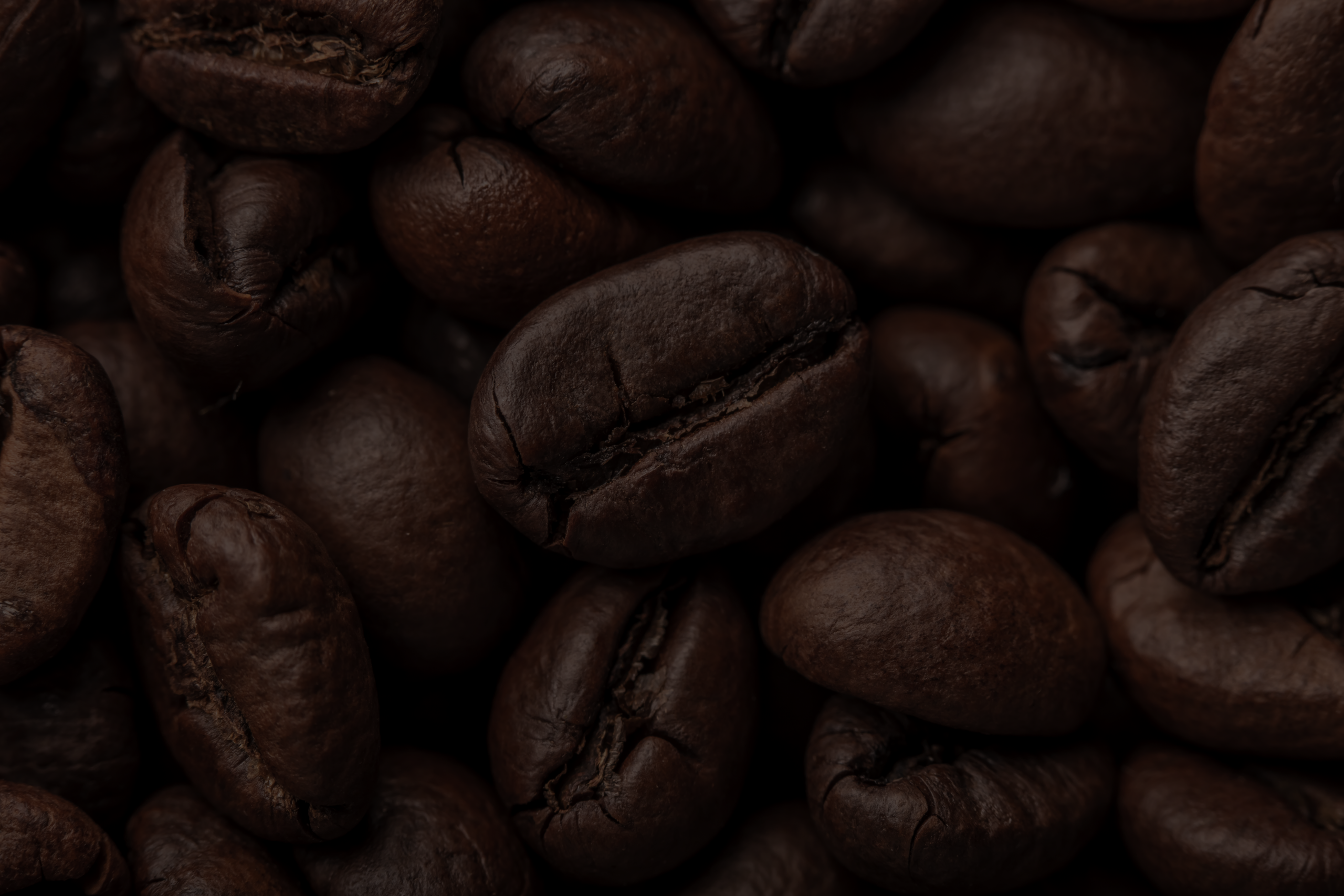
Proper espresso beans should be roasted through to second crack.
That’s when the structure of the bean has opened up, the sugars have caramelised and the oils begin to develop. You get depth, balance and the resistance needed for a proper extraction.
Espresso was designed around that style of roasting. The pump pressure, the grind, the flow rate – it all assumes a bean that has been roasted far enough to behave correctly under pressure.
Of course, roasting doesn’t stop at colour. Beans need to be rested after roasting so the gases can settle. Grind them fresh and fine, watch how the shot pours, and adjust accordingly. If the coffee runs too fast, it’s telling you something. If it chokes the machine, it’s telling you something else.
This isn’t about nostalgia or ignoring new ideas. It’s about understanding the physics and chemistry that make espresso work.
When the roast is right, the grinder is dialled in and the extraction is controlled, you don’t need gimmicks, syrups or latte art to hide the cup.
You just need good coffee, done properly.
That’s the standard we teach at the Flat White Academy.